7 Tips on How to Pick the Right Window Glass

Time:2026-10-02 Author:Sienna
0%

Choosing window glass is not a cosmetic decision. It affects indoor comfort, energy bills, daylight, noise, and long-term maintenance. The U.S. Department of Energy reports that windows can account for approximately 25% to 30% of residential heating and cooling energy use. That figure makes glass selection worth careful attention.

This guide, “How To Pick The Right Window Glass,” turns technical choices into practical steps. You will compare U-values, solar heat-gain coefficients, visible transmittance, safety ratings, and frame compatibility. A low U-value can reduce winter heat loss, while a suitable solar heat-gain coefficient may limit summer overheating. However, the best specification depends on climate, window orientation, shading, and room use. A bright west-facing bedroom needs different glass from a shaded north-facing study.

Stephen Selkowitz, a renowned building-science expert and former Lawrence Berkeley National Laboratory researcher, described windows as “the most complex and least understood component of the building envelope.” His observation still matters. A product can perform well on paper but disappoint when installed poorly, exposed to intense afternoon sun, or paired with an unsuitable frame. The National Fenestration Rating Council and ENERGY STAR provide useful performance labels, yet labels cannot replace site-specific judgment. That is where many buyers hesitate.

Small details matter.

This introduction highlights seven practical tips for selecting the right glass, from insulation and glare control to laminated safety glass and professional installation. It also acknowledges an uncomfortable truth: the cheapest option may become expensive later. Energy reports offer guidance, not certainty. Your building deserves a measured decision, not a showroom guess.
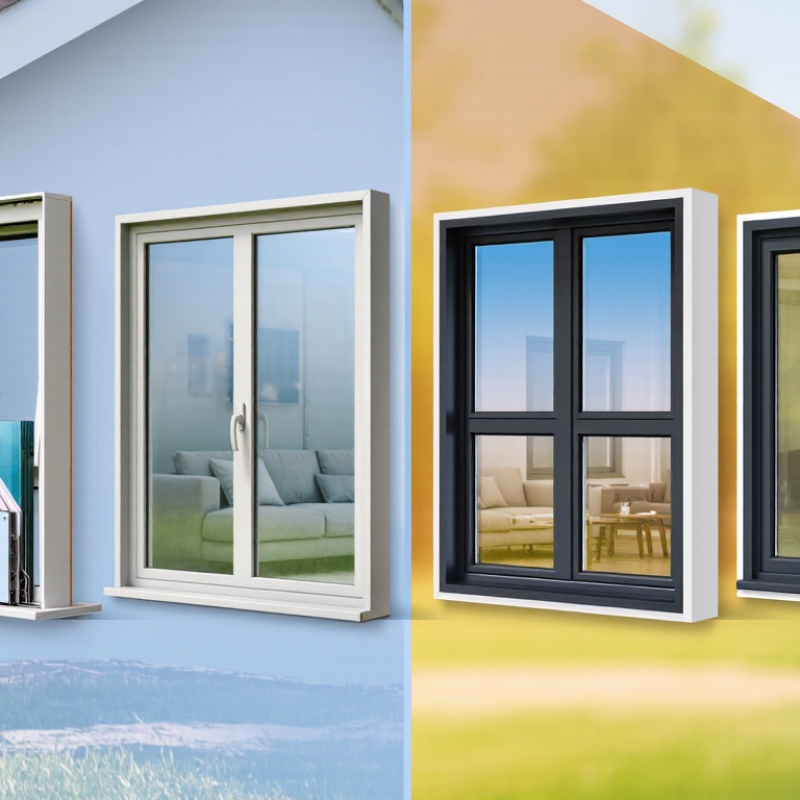
7 Tips on How to Pick the Right Window Glass

Define Your Window’s Main Performance Needs

Before choosing window glass, define the room’s main performance need. A sunny south-facing bedroom may need solar control, while a street-facing study may need sound reduction. Cold climates often prioritize lower heat loss. Warm climates may focus on limiting heat gain. The right choice depends on the building, not just the glass appearance. I have seen attractive clear glass create severe afternoon glare and overheated rooms. That mistake is expensive to correct.

Tip 1: Start with measurable targets. Ask for the glass U-value, solar heat gain coefficient, visible transmittance, and acoustic rating. A lower U-value usually means better insulation. A lower solar heat gain coefficient can reduce unwanted heat. However, darker glass may reduce useful daylight. Check the full window system, not the glass alone. Frame quality changes real performance.

Tip 2: Study each window’s exposure. Stand near the opening at different times, especially around noon and sunset. Notice glare on screens, traffic noise, cold drafts, and fading furniture. These details reveal needs that a brochure may miss. I sometimes overlook winter shadows when assessing summer sun. That is why simple observations should support, not replace, professional calculations. Request documented test results and confirm local energy requirements before ordering. A qualified installer can also check ventilation, orientation, and installation gaps. Small gaps matter.

Compare Glass Types and Their Key Properties

Choosing window glass starts with comparing measurable properties, not showroom brightness. According to the U.S. Department of Energy’s Energy Saver guidance, windows can account for about 25–30% of residential heating and cooling energy use. U-factor measures heat transfer; lower values generally improve insulation. Solar Heat Gain Coefficient, or SHGC, shows how much solar heat enters. Lower SHGC suits hot, sunny rooms, while higher SHGC may help cold climates.

Start with the numbers. Double glazing usually offers better insulation than single glazing, while triple glazing can reduce heat transfer further. However, extra panes add weight, cost, and installation demands. Low-emissivity coatings can limit infrared heat loss without making the glass visibly darker. The National Fenestration Rating Council requires tested ratings for U-factor, SHGC, and visible transmittance, making product comparisons more reliable. Still, ratings can be misunderstood.

Look closer. Tempered glass improves impact safety because it breaks into smaller fragments. Laminated glass holds together after breakage and can reduce noise transmission. For bedrooms near traffic, its acoustic benefit may matter more than a slightly better U-factor. In practice, frame quality, edge seals, shading, and installation can weaken excellent glass performance. A perfect specification may fail in a poorly sealed opening. I would also question dramatic energy claims unless the report states climate, window size, orientation, and test conditions. The International Energy Agency’s building efficiency analyses repeatedly identify windows as part of a wider envelope system, not a standalone upgrade.

Evaluate Energy Efficiency, Light, and Noise Control

Tip 1: Check the U-value, which shows how quickly heat passes through the glass. A lower U-value usually improves indoor comfort.

Tip 2: Compare the solar heat gain coefficient for sunny rooms. Low values reduce afternoon heat.

Tip 3: Look for low-emissivity coatings that help retain warmth during colder months. Numbers matter, but installation quality matters too.

Tip 4: Study visible light transmission before selecting heavily tinted glass. A bright living room may need clearer glass, while a bedroom may benefit from softer light.

Tip 5: Notice how sunlight moves across your walls. A sample panel can reveal glare that product sheets cannot.

Tip 6: For traffic or neighborhood noise, consider laminated glass or different pane thicknesses. Unequal glass thicknesses can reduce a wider range of sound frequencies. Silence is rarely complete.

Tip 7: Ask for the complete window specification, including spacers, seals, and frame performance. Glass alone cannot fix a poorly sealed opening.

In home assessments, I have seen excellent glazing underperform because small gaps allowed drafts and noise. I also once overestimated the value of a dark tint; the room felt cooler, but it needed more daytime lighting.

Recheck your priorities before ordering. Energy savings, daylight, and quietness can conflict, so choose the balance your household will actually notice.

Check Safety, Privacy, and Maintenance Requirements

Choosing window glass is less about appearance than daily risk, visibility, and upkeep. Treat seven checks as a site decision, not a showroom decision. Confirm whether the glass sits near doors, stairs, bathrooms, or children’s play areas. Human-impact locations may require safety glazing under applicable building codes.

Tempered glass breaks into small pieces; laminated glass usually remains bonded after breakage. Ask for written test results, not verbal reassurance.

Energy performance also affects comfort. The U.S. Department of Energy reports that windows can represent 25–30% of residential heating and cooling energy use. Compare certified National Fenestration Rating Council data, including U-factor, solar heat gain coefficient, and visible transmittance.

Lower U-factor generally improves insulation, while SHGC must match local climate and shading.

Privacy needs a separate test. View the sample from both sides, day and night.

Obscure patterns, tinted glass, or laminated interlayers can reduce sightlines, but they may reduce daylight too. I would not trust a showroom lamp.

Maintenance is often underestimated. Check whether coatings tolerate ordinary cleaners and whether replacement seals are available locally. Inspect drainage paths, edge seals, and frame joints before installation.

Condensation is not always a glass defect; indoor humidity, ventilation, and cold frames matter. NFRC ratings do not predict every installation outcome. That is the uncomfortable part.

Record room use, sun exposure, cleaning habits, and privacy expectations before choosing. A small mock-up beside the actual window can reveal glare, fingerprints, and nighttime visibility that brochures miss.

Match the Glass to Your Budget and Window Frame

7 Tips on How to Pick the Right Window Glass

Match the Glass to Your Budget and Window Frame

Start with the frame, not the glass. A narrow aluminum frame may need thermal improvement, while a timber frame handles heavier glazing more easily. Check the opening depth, drainage paths, and sash strength before choosing double or triple glazing. A beautiful unit is useless if the frame cannot support it.

Use the U-factor to compare insulation, and check the solar heat gain coefficient for sunny rooms. The U.S. Department of Energy reports that windows can cause 25–30% of residential heating and cooling energy use. Low-emissivity glass can reduce heat transfer, but it usually costs more. For a mild climate, basic double glazing may offer better value. For cold winters, triple glazing may justify its higher price. I once focused too heavily on insulation and overlooked solar gain.

Match tint and coatings to room direction. South- and west-facing windows often need stronger solar control. North-facing windows may benefit more from daylight and insulation. Ask for the National Fenestration Rating Council values, not vague claims. Compare installation costs, frame compatibility, and warranty terms together. Cheap glass can become expensive after difficult fitting. Small details matter.

FAQS

How do I identify the main performance need for a window?

Examine the room’s direction, climate, glare, noise, drafts, and heat. A sunny bedroom may need solar control. A street-facing study may need sound reduction.

Which measurements should I request before choosing glass?

Ask for U-value, solar heat gain coefficient, visible transmittance, and acoustic rating. Lower U-values usually improve insulation. Lower solar gain limits unwanted heat.

Why should I assess each window at different times?

Visit the window around noon and sunset. Watch screen glare, traffic noise, cold drafts, and fading furniture. Brochures cannot show every daily problem.

Is clear glass always a good choice?

Not necessarily. Clear glass can create strong afternoon glare and overheated rooms. I have underestimated winter shadows before. That mistake deserves a second look.

Does double glazing perform better than single glazing?

Usually, yes. Double glazing reduces heat transfer more effectively than single glazing. Triple glazing can improve insulation further, but it adds weight, cost, and installation demands.

What does a low-emissivity coating do?

It can reduce infrared heat loss without making the glass visibly dark. Check the complete window system, because coatings alone cannot fix weak frames or poor seals.

What is the difference between tempered and laminated glass?

Tempered glass breaks into smaller fragments after impact. Laminated glass stays together and may reduce outside noise. For a traffic-facing bedroom, sound control may matter more.

Can excellent glass perform badly after installation?

Yes. Poor frames, damaged edge seals, shading mistakes, and installation gaps can reduce performance. Small gaps matter. Request test conditions and inspect the opening carefully.

Conclusion

Choosing the right window glass starts with understanding your home’s main performance needs, such as insulation, heat reduction, natural light, noise control, or improved comfort. How To Pick The Right Window Glass depends on comparing options like single, double, or triple glazing, along with features such as low-emissivity coatings, tinted surfaces, and laminated construction. Each type offers different benefits for energy use, privacy, durability, and indoor temperature control.

You should also consider safety, cleaning needs, and the appearance of the glass before making a decision. Privacy glass may suit bathrooms or street-facing rooms, while stronger glass can provide added protection in busy areas. Finally, match the glass to your budget and existing window frame, since not every frame can support heavier or thicker glazing. A well-balanced choice will improve comfort, reduce unwanted noise, support energy efficiency, and provide lasting value without unnecessary expense.

Sienna

Sienna

Sienna is a skilled marketing professional with a deep expertise in our company’s core products and services. With a passion for innovation and detail, she plays a pivotal role in crafting insightful blog posts that not only highlight the unique features of our offerings but also provide valuable......