Designing a walk-in shower for elderly safety is essential in today’s aging society. Experts emphasize the importance of creating spaces that ensure comfort and security. "A well-thought-out walk-in shower can significantly reduce the risk of falls among seniors," says Johnathan Harris, a specialist in eldercare design. His insight highlights the need for thoughtful planning in these environments.
A successful walk-in shower design for elderly safety integrates features like non-slip flooring, grab bars, and adjustable shower heads. Each element plays a critical role in enhancing usability. For example, the choice of materials should prioritize texture and durability. There is also room for reflection on current designs; some may overlook aspects like sufficient space for mobility aids.
Incorporating these design principles can lead to safer bathing experiences. However, it's crucial not to underestimate personal preferences and comfort levels. Balancing safety with aesthetics can be challenging. Every decision in this process should be informed by the specific needs of the elderly. Ultimately, walk-in shower design for elderly safety must prioritize functionality while embracing individual identity and dignity.
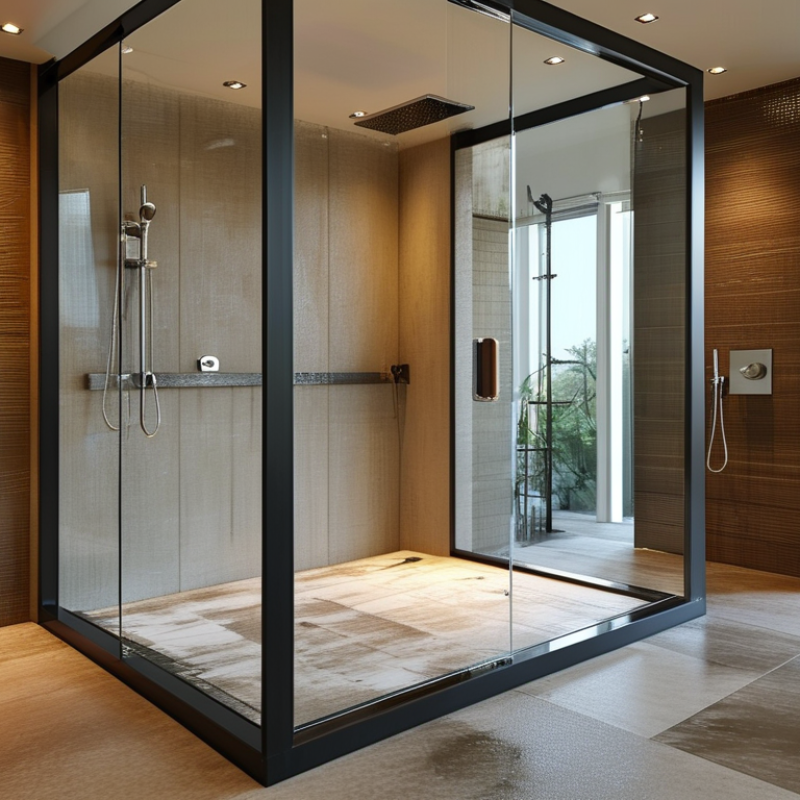
When designing a walk-in shower specifically for elderly individuals, size matters greatly. The National Kitchen and Bath Association suggests a minimum shower size of 36 by 48 inches. This space allows for ease of movement and the installation of safety features like grab bars. A shower that is too cramped can pose risks. It can lead to slips or falls, which are serious hazards for seniors.
Additionally, consider the entry point. A low or no-threshold entry reduces tripping hazards. Ideally, the floor should have a slight slope to enable water drainage but not too steep that it becomes slippery. Textured surfaces can provide extra grip. If space allows, incorporating a shower seat can be a significant improvement. It allows users to sit while bathing, reducing fatigue and uncertainty.
Another point to reflect on is the placement of controls. They should be at a reachable height, with easy-to-turn knobs. This not only enhances usability but promotes independence. Installing an anti-scald valve is also critical to prevent burns. Despite these recommendations, it’s important to assess individual needs. Every elderly person has different requirements based on mobility levels and health conditions.
When designing walk-in showers for elderly safety, choosing the right flooring is crucial. Research shows that slip-related injuries account for over 30% of falls among older adults, highlighting the importance of non-slip surfaces. Smooth tiles or surfaces can be hazardous, especially when wet.
Consider materials like textured vinyl or rubber flooring. A study by the National Institute on Aging noted that textured surfaces can reduce slip occurrences by 50%. Additionally, a slope of about 1-2% in the shower floor helps water drainage without creating hazards. This slight incline can be crucial for preventing pooling water, which increases slip risks.
It's essential to reflect on the maintenance of these materials. Non-slip options may require regular cleaning to maintain their effectiveness. Over time, wear can diminish their slip-resistant properties. Regular inspections and timely replacements can ensure ongoing safety for users. It's vital to balance aesthetics with function in these spaces, as beautiful designs should not compromise safety.
| Material Type | Slip Resistance Rating | Durability | Maintenance Ease |
|---|---|---|---|
| Ceramic Tile | R10 | High | Moderate |
| Vinyl Flooring | R9 | Medium | Easy |
| Natural Stone | R10 | Very High | Difficult |
| Rubber Flooring | R12 | High | Very Easy |
| Microfiber Mats | R8 | Low | Easy |
When designing a walk-in shower for elderly safety, the placement of grab bars is crucial. Research indicates that about 80% of falls in the bathroom occur due to slippery surfaces and lack of support. Properly installed grab bars can significantly reduce this risk. The American National Standards Institute (ANSI) suggests that grab bars should be placed 33 to 36 inches above the shower floor. This height ensures that they are accessible for people of varying heights.
The strength of grab bars is equally important. They must be capable of supporting at least 250 pounds, as recommended by the National Kitchen and Bath Association (NKBA). Installing them on wall studs, and using proper anchoring techniques, enhances safety. Not all surfaces are equally sturdy; thus, opting for reinforced walls is a wise choice. It's important to evaluate the existing bathroom layout. Positioning bars near the shower entrance and within reach of the showerhead can offer added support.
Visualizing everyday routines helps identify the most effective placements. Consider the natural movements during showering. Some designs miss critical zones, such as the area next to the towel rack. This can lead to unnecessary strain, particularly for those with mobility issues. Continuous assessment of these placements is necessary. Evaluating usability frequently ensures that elderly individuals can navigate their showers safely and confidently.
Designing accessible shower controls is crucial for elderly safety. Many older adults experience decreased strength and dexterity. According to the National Institute on Aging, about 30% of older adults fall at home each year. Accessible shower controls can minimize the risk of falls while using the shower.
The height and operation of shower controls must cater to users with mobility challenges. Controls should be placed between 36-44 inches from the ground. Lever handles are often easier to manipulate than knobs. Touch-free options, like sensors, are gaining popularity. They allow users to turn on water without gripping. This can mitigate discomfort for those with arthritis or other conditions limiting grip strength.
Visual contrast is essential. Controls should stand out against the shower wall for easy identification. Clear labeling aids those with diminished eyesight. But not all designs follow accessibility guidelines. Designers need to incorporate feedback from elderly users to refine products continually. This will ensure user-friendly experiences in everyday settings. The goal is a shower that is not only safe but promotes independence for elderly individuals.
In designing a walk-in shower for elderly safety, lighting solutions play a crucial role. Proper lighting not only enhances visibility but also minimizes the risk of accidents. Using warm, bright lights can create a welcoming atmosphere. Positioning lights directly above the shower area ensures that all corners are well illuminated.
Consider using motion-sensor lights for added convenience. These lights turn on automatically when someone enters the shower, which is helpful for those with mobility issues. Additionally, installing dimmable lights allows users to adjust brightness based on their comfort level.
Reflective surfaces can also enhance light distribution. Tiles with a glossy finish can help spread light throughout the space. However, too much glare can be harmful. Therefore, balancing bright and soft lighting is essential. It’s important to reflect on how each lighting choice impacts both safety and comfort. Ultimately, the goal is to create a safe and enjoyable shower experience for the elderly.
: The minimum size is 36 by 48 inches. This size promotes safety and ease of movement.
It reduces tripping hazards, making it safer for elderly users when entering or exiting the shower.
A shower seat allows users to sit while bathing, reducing fatigue and providing a sense of security.
Shower controls should be between 36-44 inches from the ground for easier access.
Lever handles are generally easier to use than traditional knobs, especially for those with limited grip strength.
Motion-sensor lights turn on automatically, providing illumination for users with mobility challenges when they enter.
It helps elderly users easily identify controls, especially if their eyesight is diminished.
About 30% of older adults fall at home each year; enhancing shower safety is vital to prevent these accidents.
Reflective tiles can enhance light distribution, but too much glare must be avoided for user comfort.
A balance of bright and soft lighting is crucial; it should enhance visibility without causing glare.
The article "How to Design a Walk In Shower for Elderly Safety" provides essential guidelines for creating a safe and accessible shower space for older adults. A key aspect of this Walk In Shower Design For Elderly Safety is selecting appropriate dimensions that accommodate mobility aids, ensuring that the minimum space allows for comfortable movement. Additionally, using non-slip flooring materials can significantly reduce the risk of falls, making the shower safer.
Furthermore, the article emphasizes the importance of incorporating grab bars at optimal locations and ensuring they meet strength standards, offering reliable support for users. Accessible shower controls are discussed to facilitate ease of use, while effective lighting solutions are recommended to enhance visibility and safety. Overall, implementing these design elements will contribute to a secure and user-friendly environment for the elderly.

CKY Home