Choosing the right grout is crucial when installing tiles. The process of selecting the best grout for tiles can significantly affect the longevity and appearance of your flooring. Many people overlook this essential step, focusing only on the tile itself. However, grout plays a key role in both aesthetics and functionality.
When selecting the best grout for tiles, consider the material type, color, and width of the grout line. Each grout type has its strengths and weaknesses. For instance, epoxy grout is durable but can be tricky to apply. Meanwhile, cement-based grout is easier to work with but may require sealing. Understanding these differences is essential.
Potential pitfalls abound during the grout selection process. It’s easy to be swayed by trends rather than practical needs. Take time to reflect on the intended use of your space—this will guide your decision. Remember, your choice of grout impacts not just your installation but the overall look and durability of your tiled surfaces.
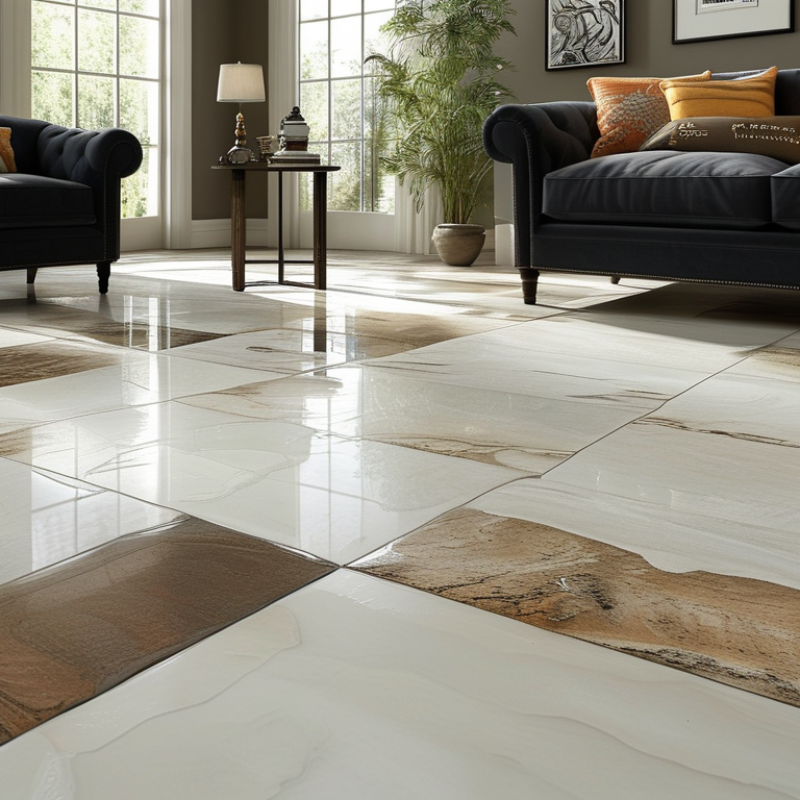
When it comes to tile installation, choosing the right grout is crucial. Two main types exist: unsanded and sanded grout. Each serves specific needs. Unsanded grout features a smooth texture. It's ideal for thin grout lines, typically less than 1/8 inch wide. According to industry reports, it's preferred for delicate tiles like polished marble and glass, where scratching is a concern.
Sanded grout, on the other hand, contains sand particles. This makes it stronger and suitable for wider grout lines, often exceeding 1/8 inch. Consumer data indicates that sanded grout resists cracking and shrinking better than its unsanded counterpart. It's often used for floor installations and areas exposed to moisture. Yet, this type may not suit all tiles, especially those prone to scratches.
It's essential to consider both aesthetics and performance. Many homeowners overlook these details. Choosing the wrong type can lead to costly repairs. For example, if unsanded grout is used inappropriately, it may wear down over time. Understand your tile's specification before making a decision. Always follow manufacturer guidelines for best results.
When choosing grout for tiles, water resistance should be a top priority. Epoxy grout offers impressive benefits in this area. Unlike traditional cement-based grout, epoxy grout creates a barrier against moisture. This makes it a popular choice for wet areas such as bathrooms and kitchens. Its ability to resist water helps prevent mold growth and extends the lifespan of your tile installation.
Using epoxy grout also means less maintenance over time. Its smooth surface is easier to clean compared to other grouts. While it may be more expensive upfront, the long-term benefits often outweigh the initial costs. However, applying epoxy grout can be challenging; it requires precise mixing and quick application. Misjudgments in this process can lead to uneven finishes or weak points. It’s essential to weigh these factors before finalizing your decision.
Finding the right grout is crucial. While epoxy offers excellent water resistance, consider your specific needs. Assess your space’s usage, the potential for moisture, and your budget before committing. Each project is unique, and what works for one may not work for another.
Choosing the right grout color can dramatically enhance the beauty of your tiles. It’s important to consider how grout interacts with the tile design and overall aesthetics of the room. For a seamless look, opt for a grout color that closely matches the tiles. This technique creates a unified appearance, making the space feel larger and more cohesive.
On the other hand, contrasting grout colors can add depth and character to your tiled surface. Dark grout against light tiles can highlight individual tiles, creating a striking visual. However, this choice requires careful consideration, as it can also make flaws more visible. You might need to clean it more often, which is something to reflect on.
When selecting grout, think about the tile finish. Glossy tiles pair well with matte grout to avoid overwhelming the eye. Additionally, sample the grout next to your tiles in natural light. The different lights throughout the day can significantly alter how colors appear. Don’t rush this decision; it impacts the entire room's vibe. Take your time to evaluate how the colors work together.
When selecting grout for tiles, joint width is a crucial factor influencing performance and durability. According to industry reports, grout performance can be significantly affected by the width of the joints. Wider joints can accommodate more movement and settling, leading to less cracking. However, they may require more maintenance and higher grout volume. Narrow joints, on the other hand, offer a sleek look but can lead to increased stress on the grout due to tile movement.
Research shows that for joints wider than 1/8 inch, using a sanded grout is often recommended. This type of grout provides better durability, adhering well even in wider spaces. A study from the Tile Council of North America indicates that improperly selected grout based on joint width can shorten its lifespan by up to 30%. This highlights the importance of proper selection based on specific tile layouts and environmental conditions.
Embracing the nuances of joint width can lead to better outcomes. One cannot overlook the potential drawbacks, such as the difficulty in cleaning wider joints and the risk of uneven grout lines. Reflecting on these aspects is vital when making a decision. Ultimately, the right grout selection balances aesthetic appeal and long-lasting performance, making informed choices essential for tile installations.
Choosing the right grout is about more than color. It’s crucial to consider how different types of grout will perform over time. Cement-based grouts are popular but require regular sealing to maintain their integrity. A lack of maintenance can lead to mold or mildew, diminishing their aesthetic appeal.
Epoxy grout is more resilient against stains and moisture. It requires less frequent maintenance, but many homeowners find it challenging to work with. Understanding the specific needs of each grout type can prevent costly mistakes down the line. The right choice can greatly simplify cleaning routines and prolong the life of your tile installation.
Consider the long-term effects of your grout selection. Some grouts may seem easier to apply, but their maintenance demands could become an issue later. Each type has its strengths and weaknesses. Reflect on your lifestyle and cleaning habits before making a decision. The best grout for your tiles should align with your needs and commitment to maintenance.
| Grout Type | Maintenance Frequency | Durability | Water Resistance | Best Use Cases |
|---|---|---|---|---|
| Cementitious Grout | Every 6-12 months | Moderate | Average | Indoor floors, walls |
| Epoxy Grout | Every 2-3 years | High | Excellent | Kitchens, bathrooms, high moisture areas |
| Unsanded Grout | Every 6 months | Low to Moderate | Average | Fine grout joints, delicate tiles |
| Sanded Grout | Every 1-2 years | Moderate to High | Good | Floors, walls in high-traffic areas |
| Color-Matched Grout | Annually | Moderate | Good | Decorative applications, mosaics |
: Grout color dramatically enhances tile beauty. It affects the overall room look and feel.
Matching grout creates a seamless look. Contrasting colors add depth but may highlight flaws.
Joint width influences grout performance and durability. Wider joints handle movement better but require more maintenance.
Sanded grout is recommended for joints wider than 1/8 inch. It provides durability and better adhesion.
Glossy tiles look better with matte grout. This prevents an overwhelming visual effect.
Color appearance changes with light. Testing in natural light ensures a better match with your tiles.
Yes, wider joints are harder to clean and can lead to uneven lines. Consider this before deciding.
Incorrect grout choice based on joint width can decrease lifespan by up to 30%.
Contrasting colors can make flaws more visible. It requires more cleaning to maintain the look.
Rushing this decision can impact the entire room's vibe. Reflecting on options leads to better outcomes.
When selecting the best grout for tiles, it is essential to understand the different types available, primarily unsanded and sanded grout. Unsanded grout is typically used for narrower joints, while sanded grout provides strength for wider joints. Additionally, assessing the water resistance of epoxy grout can be beneficial for areas exposed to moisture, as it offers excellent durability and ease of cleaning.
Evaluating color options is also crucial in matching the grout with the tile aesthetics, ensuring a cohesive look. Joint width directly impacts not only the appearance but also the grout’s performance and longevity. Finally, considering the maintenance needs of various grout types helps in making a well-informed decision for long-term care and upkeep. By following these guidelines, one can confidently approach the process of selecting the best grout for tiles.

CKY Home